
About us
ISCIII BIOBANKS AND BIOMODELS PLATFORM
The ISCIII Biobanks and Biomodels Platform is an initiative of the Carlos III Health Institute.
The Coordination team has organised the Platform’s structure into four scientific-technological HUBS, which include: Biobanks, Organoids, Animal Models and 3D Printing. This structure makes it possible to manage and supply biological samples and associated clinical data. In the interest of promoting and incrementing scientific-technological resources in biomedical research, the PISCIIIBB’s services include organoids, animal models and 3D printing.
The ISCIII Biobanks and Biomodels Platform has joined the European Biobanking Infrastructure (BBMRI-ERIC) as an observing member, acting as the national node in BBMRI-ERIC, one of the most relevant research platforms in the European Union.
Mission
The mission of the ISCIII Biobanks and Biomodels Platform is to offer the highest level of quality and cutting-edge services to facilitate and advance in the definition of better therapy for the patient and thereby close the cycle from basic research to the execution of the clinical application.
Vision
Org chart

PISCIII_BB COORDINATOR
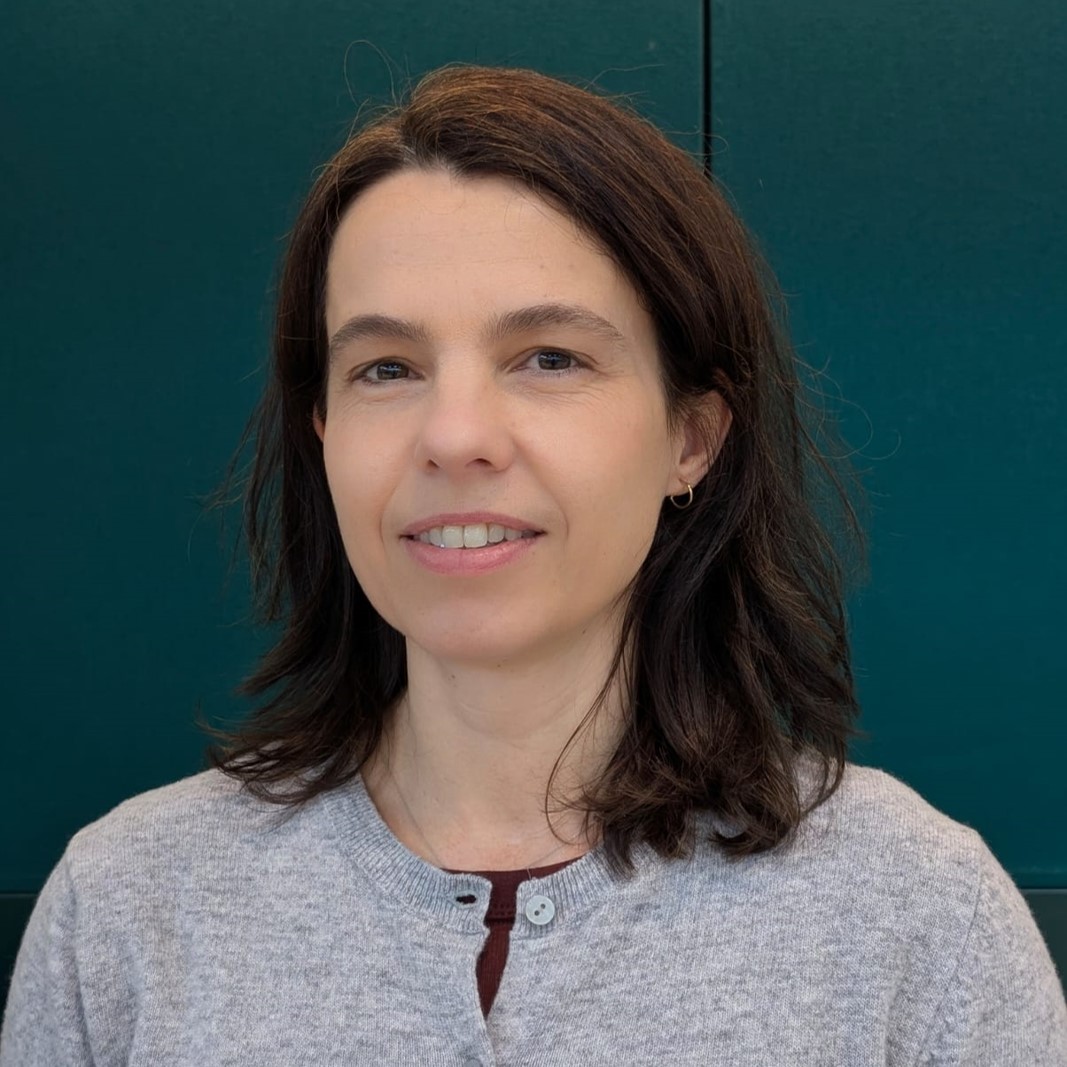
ELENA GARRETA BAHIMA
Dr. Garreta holds a PhD in Chemistry from Ramon Llull University-Sarrià Chemical Institute (IQS), where she specialized in biomaterials design and tissue engineering. She subsequently completed several postdoctoral fellowships, participating in pioneering studies on the generation of human induced pluripotent stem cells (iPSCs) and the development of differentiation strategies into various cell lineages. Since 2015, she has been a senior researcher at the Institute for Bioengineering of Catalonia (IBEC), in the Pluripotency for Organ Regeneration group. She is also an associate professor at the University of Barcelona. In August 2024, Dr. Garreta was appointed Acting Junior Group Leader of the Pluripotency for Organ Regeneration group at IBEC. The group’s research focuses on the development of human organoids combined with bioengineering strategies for disease modeling and applications in precision medicine. Dr. Garreta has contributed to pioneering studies on pluripotent stem cells and the development of human organoids, with publications in high-impact journals such as Nature Biotechnology, Nature Materials, Materials Today, Cell, and Cell Metabolism, among others. Since December 2024, she has been the Coordinator of the ISCIII Biomodels and Biobanks Platform at PT23 and Alternate Coordinator of the National Node at BBMRI-ERIC.
Coordination Office
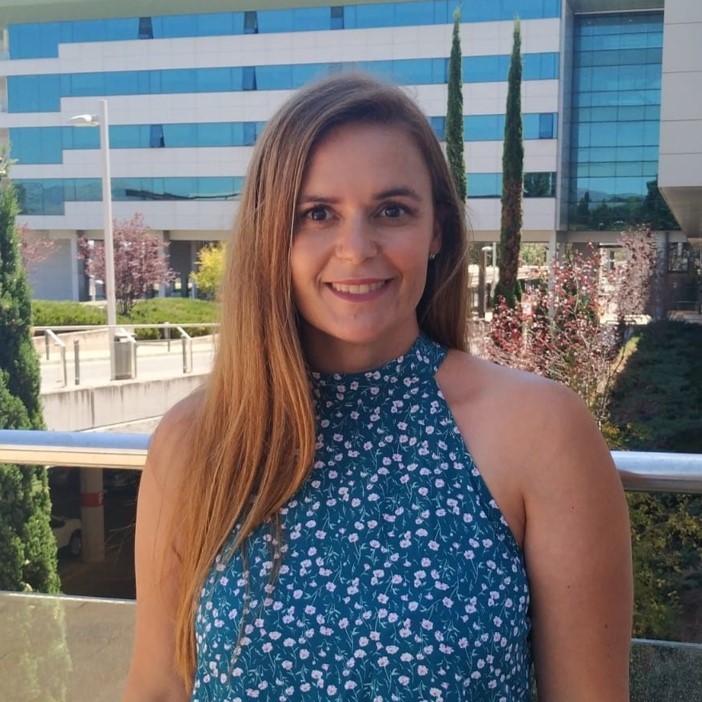
AURORA GARCÍA ROBLES
She holds a PhD in Psychology from the University of the Balearic Islands (2023), a Master’s degree in Psychological Intervention and Mental Health (a postgraduate degree), and a Master’s degree in Introduction to Research in Mental Health from the University of Cantabria. Her professional career has primarily focused on management and administration within the healthcare sector, and since November 2018, she has worked at the Coordination Office of the National Biobank Network (RNBB). There, she collaborates on managing sample and service requests, supports biobanks and platform members in their collaborative activities, assists in implementing processes and procedures, and supports the Coordination of the National Platform of Biomodels and Biobanks at the ISCIII (Carlos III Health Institute).



BIOBANK HUB
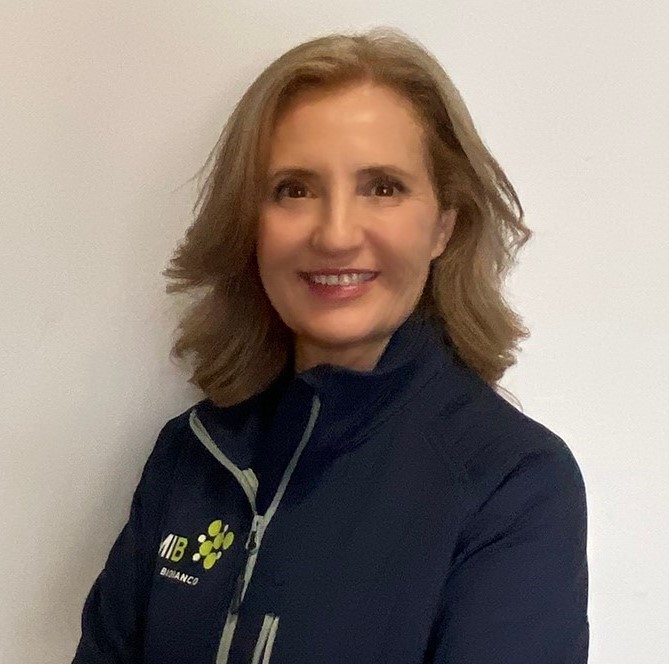
Lead: Teresa Escámez (IMIB)
PhD in Biology, Master’s in Biobanks and Management of Biological Samples and Associated Data, and University Expert in Quality Management System Audits. Researcher in the field of neuroscience until 2013. Head of the Biobank Platform at the Pascual Parrilla Murcian Institute of Biosanitary Research since 2013. Member of the Steering Committee of the National Biobank Network (PT17), Representative of the National Node in the BBMRI-ERIC quality group from February 2022 to March 2024. Coordinator of the Biobank Hub in PT23 and Scientific Director of the National Node in BBMRI-ERIC since March 2024..
ORGANOID HUB
Leads: Iván Fernández Vega (ISPA) and Rocío Aguilar Quesada (BSSPA)
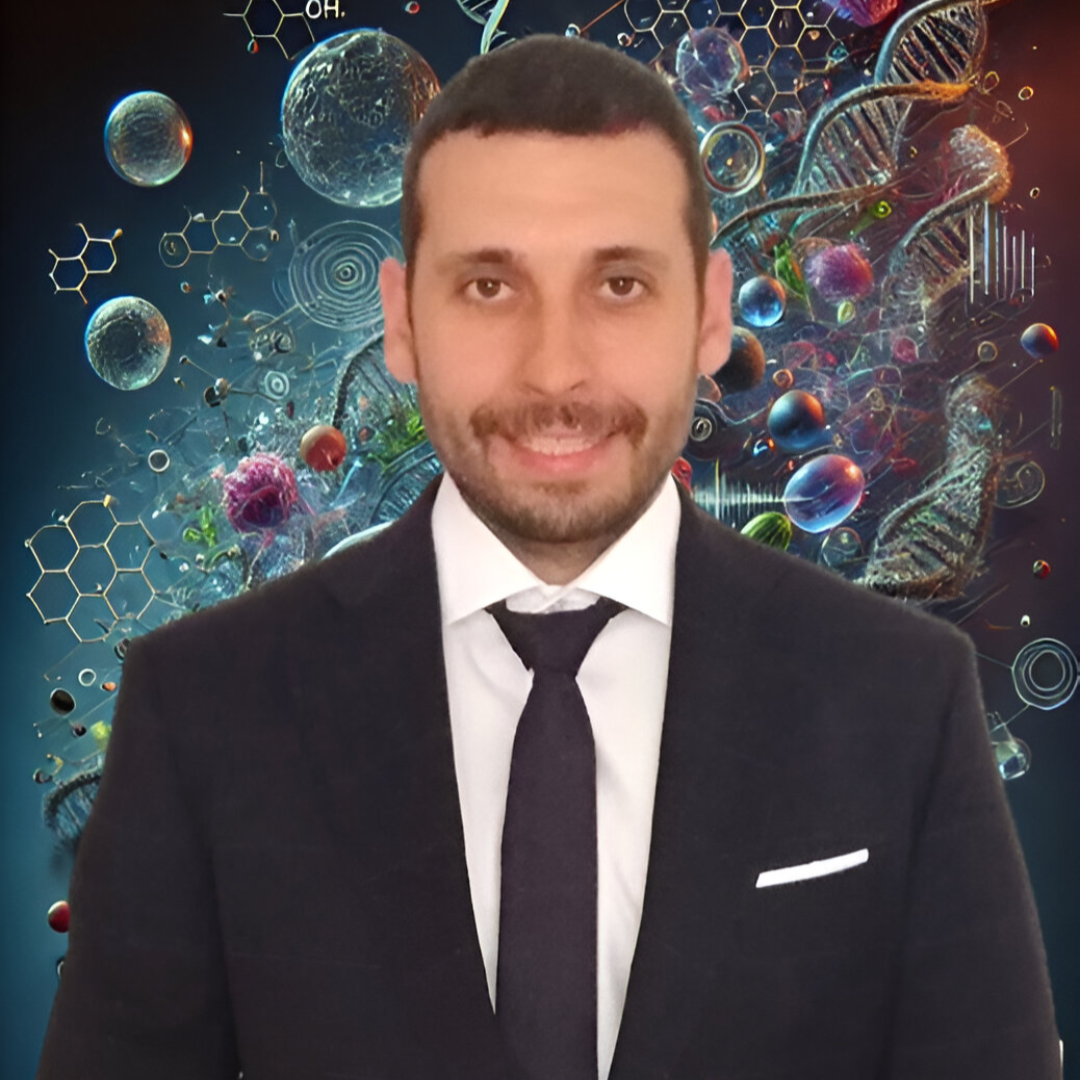
Iván Fernández Vega
Teaching Experience: Tenured Professor at the University of Oviedo and Head of the Department of Pathology (2024). More than 15 years of university teaching experience, including four terms as Honorary Collaborating Professor, three as Visiting Professor, seven as Associate Professor, and one as Full Professor. Coordinator of the General Pathology and Neuropathology courses. Director of the University Expert Program in Neurological Tissue Banks for three years (2020-2022). Recipient of several awards for leading innovative teaching projects.
Clinical Experience: Specialist in Pathology (2013) at the Central University Hospital of Asturias since 2016, with a subspecialty in neuropathology. Completed residencies at King’s College Hospital and University College Hospital, London. Neuropathologist at the University Hospital of Álava and Director of the Neurological Tissue Bank (BTN) of the Basque Country (2013-2016). Former regional president of the Spanish Society of Pathology in the Principality of Asturias from 2020 to 2024. Delegate member of the European Society of Pathology Academy (ESPA), representing European pathologists under 35 from 2019 to 2023. Appointed ambassador of the European Society of Pathology at the American Society of Clinical Oncology (ASCO) congress in 2024. Recipient of several awards for project leadership at national, European, and international conferences.
Scientific experience: Scientific Director of the Biobank of the Principality of Asturias (BioPA) since 2023 (previously Director of the BTN at the same biobank since 2016). Over 15 years of experience working with biobanks and more than 10 years of continuous involvement with the Biobank and Biomodel Network/Platform. Expert researcher in the study of cell surface and extracellular matrix proteoglycans, especially in the field of cancer and neurodegenerative diseases. Supervisor of several doctoral theses, master’s theses, and undergraduate dissertations. Doctor of Medicine (2014), with Master’s degrees in Bioethics and Molecular Oncology. More than 85 scientific publications and 14 funded research projects. H-index above 20.
Favorite quote: “I was born a scientist, but I became a doctor to be a scientist.”
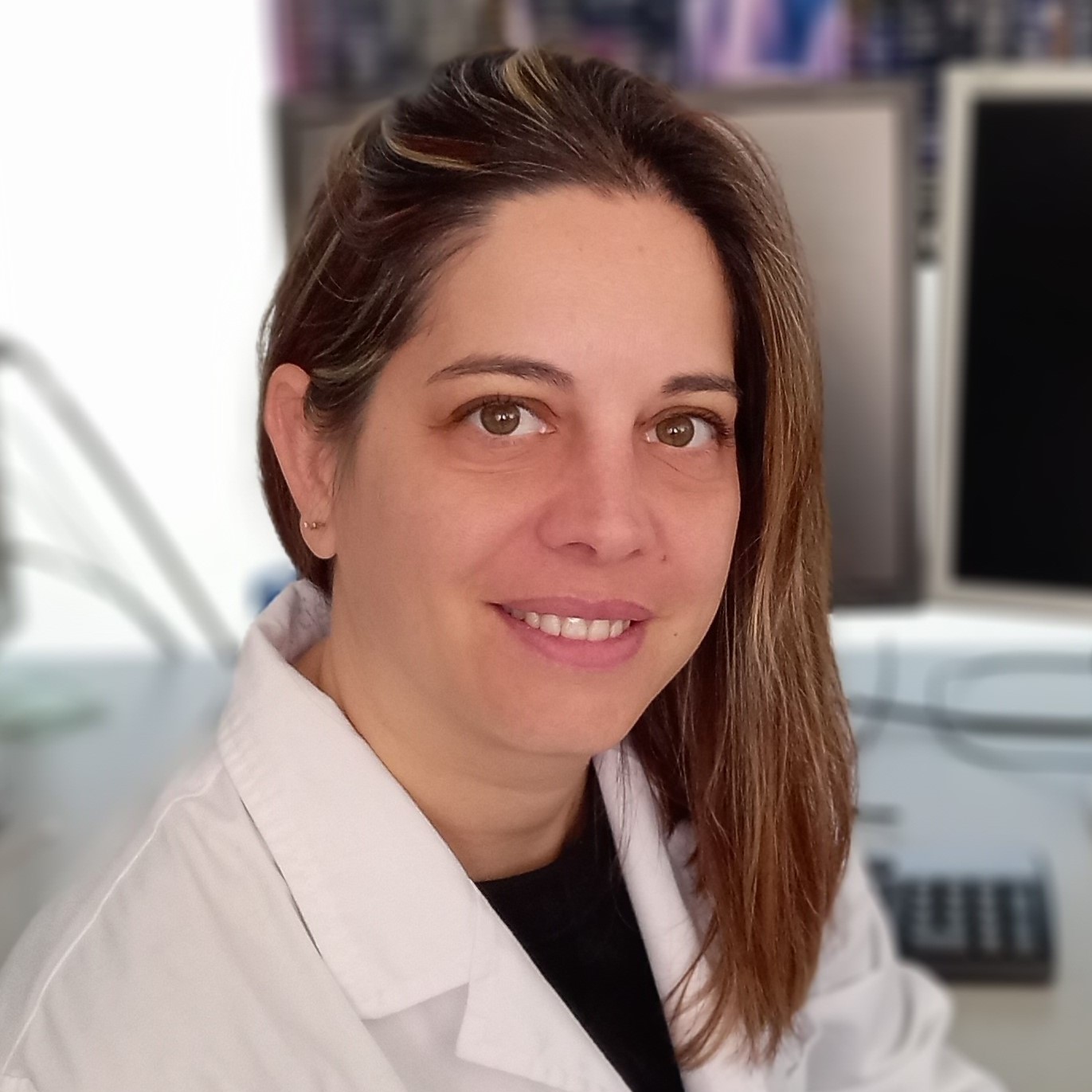
Rocío Aguilar Quesada
With a PhD in Biochemistry, a Master’s degree in Molecular and Cellular Immunology, and a Master’s degree in Biobanks and the use of human biological samples for biomedical research, Rocío Aguilar-Quesada has been the Technical Manager of the Biobank of the Andalusian Public Health System in Granada since 2009. Since joining the organization, her work has focused on the establishment and management of laboratories within the biobanking framework, complementing her training in process validation, quality control, and quality management system audits. She has also actively participated in forums on ethical, legal, and social issues (ELSI), receiving training in bioethics and data protection. She is an advisor to the European, Middle Eastern & African Society for Biopreservation and Biobanking (ESBB) and the regional ambassador for the EMEA region of ISBER (International Society for Biological and Environmental Repositories), having been awarded the ISBER 2024 Special Service Award for her role as co-chair of the ISBER 2023 Regional Meeting in Granada. She has contributed to the 5th edition of ISBER’s Best Practices and participates in various ESBB and ISBER Working Groups related to quality assurance, biospecimen science, and ELSI, with several publications resulting from these collaborations. Rocío Aguilar-Quesada has taught courses (also contributing to their organization), master’s programs (tutoring several students), and workshops on a variety of biobank operations, contributing to the development of guides and educational materials.
ANIMAL MODELS HUB
Leads: Alberto Centeno (INIBIC) and Manuel Sánchez (USAL)
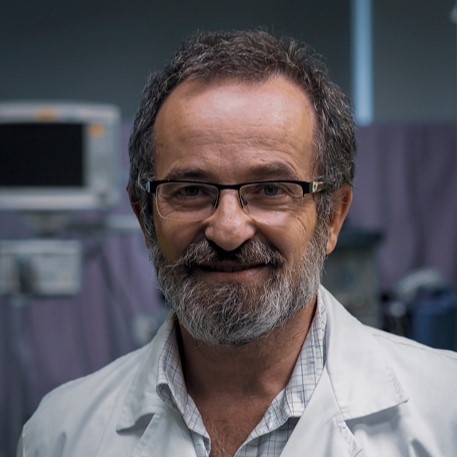
Alberto Centeno (INIBIC)
With a PhD in Biochemistry, a Master’s degree in Molecular and Cellular Immunology, and a Master’s degree in Biobanks and the use of human biological samples for biomedical research, Rocío Aguilar-Quesada has been the Technical Manager of the Biobank of the Andalusian Public Health System in Granada since 2009. Since joining the organization, her work has focused on the establishment and management of laboratories within the biobanking framework, complementing her training in process validation, quality control, and quality management system audits. She has also actively participated in forums on ethical, legal, and social issues (ELSI), receiving training in bioethics and data protection. She is an advisor to the European, Middle Eastern & African Society for Biopreservation and Biobanking (ESBB) and the regional ambassador for the EMEA region of ISBER (International Society for Biological and Environmental Repositories), having been awarded the ISBER 2024 Special Service Award for her role as co-chair of the ISBER 2023 Regional Meeting in Granada. She has contributed to the 5th edition of ISBER’s Best Practices and participates in various ESBB and ISBER Working Groups related to quality assurance, biospecimen science, and ELSI, with several publications resulting from these collaborations. Rocío Aguilar-Quesada has taught courses (also contributing to their organization), master’s programs (tutoring several students), and workshops on a variety of biobank operations, contributing to the development of guides and educational materials.
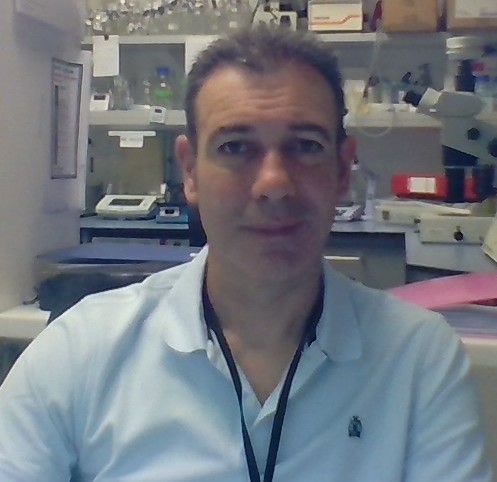
Manuel Sánchez (USAL)
Manuel Sánchez-Martín is a tenured professor in the Department of Medicine at the University of Salamanca (USAL) and has directed its Transgenesis Service since 2014. He earned his PhD with the highest distinction, “summa cum laude,” and received the “Extraordinary Award” for his dissertation. He subsequently obtained a postdoctoral fellowship from the Spanish Association Against Cancer (AECC) and later a postdoctoral research position within the “Ramón y Cajal National Research Program.” He joined the Department of Medicine at USAL as a lecturer in 2010 and became a tenured professor in 2020. He has participated as principal investigator in national and regional research projects and is currently the principal investigator of a project focused on generating mouse models for the Biomodels and Biobanks Platform of the Carlos III Health Institute (ISCIII). He has authored or co-authored more than 60 scientific publications, many of them in leading journals in the fields of biology and biomedicine (https://orcid.org/0000-0001-8370-1336).
Alongside his research career, Dr. Sánchez Martín teaches undergraduate and postgraduate courses in the Faculties of Pharmacy, Biotechnology, and Medicine. He currently combines his teaching and research duties with directing the Transgenesis Service and also serves as an external reviewer for the CSIC Ethics Committee. He is an active member of the Spanish Society for Gene and Cell Therapy (SETGYC), the Advanced Therapies Network (TERAV), the European Cooperation in Science and Technology (COST Action, GenE-Humdi Working Group), and the International Society for Transgenic Technology (ISTT).
3D PRINTING HUB
Leads: María Gloria Álvarez (INIBIC) and Rubén García (IIS BIOCRUCES)
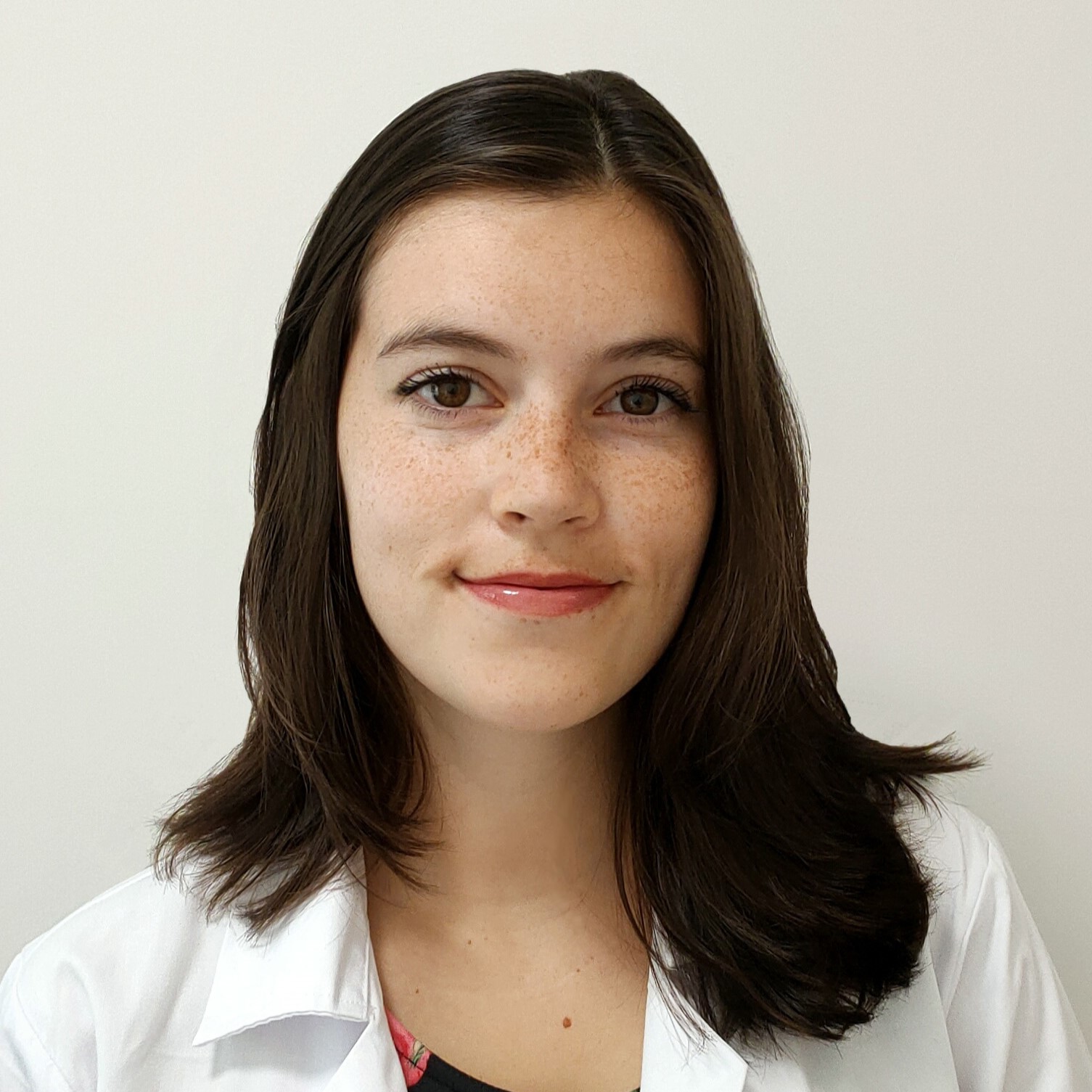
María Gloria Álvarez (INIBIC)
Graduated in Biomedical Engineering, specializing in bioengineering: medical devices, biomaterials, and biomechanics, from the Polytechnic University of Madrid (UPM). MSc in Biomedical Engineering, specializing in advanced implant design techniques and tissue engineering, from the Polytechnic University of Valencia (UPV). Clinical Simulation Instructor certified by the Center for Medical Simulation (Harvard-MIT Division of Health Sciences and Technology). Coordinator of the Equipment Service for the A Coruña and Cee Health Area. Quality Manager for the A Coruña and Cee Health Area’s 3D Printing and Simulation Platform (SIMIM3D). Co-coordinator of the 3D Printing Hub of the ISCIII Biomodels and Biobanks Platform. Member of the European 3D in Hospitals Special Interest Group (3DSIG) and the Working Group of Technicians of the Spanish Society for Clinical Simulation and Patient Safety (SESSEP).
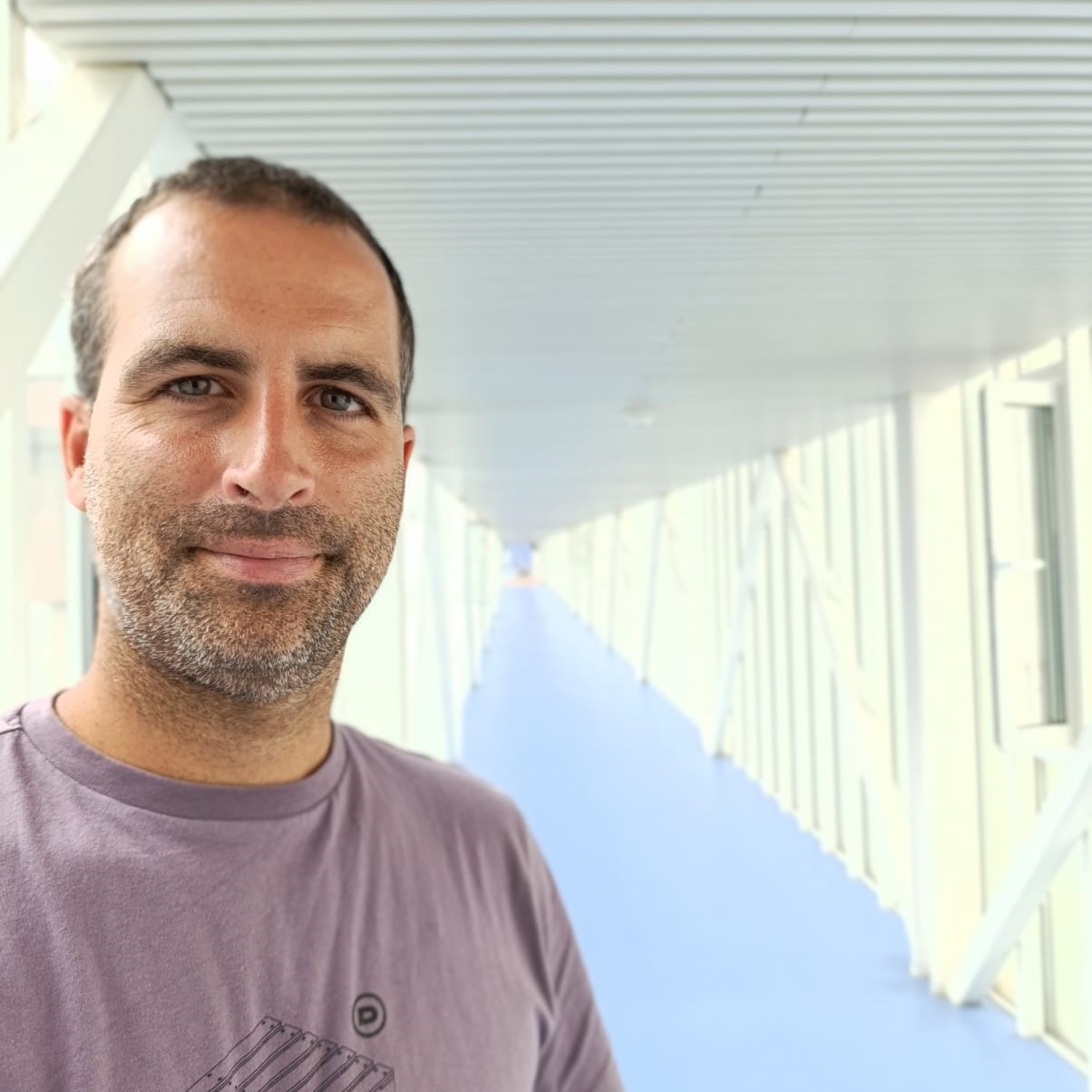
Rubén García (IIS BIOBIZKAIA)
Technical Lead of the IIS Biocruces Bizkaia 3D Printing and Bioprinting Platform
Degree in Industrial Technical Engineering from EHU, Master in Biomedical Engineering from UB/UPC and Postgraduate Degree in Medical Imaging and 3D Printing from UPC. Since 2016, he has worked in the Innovation Unit of OSI EECruces – IIS Biocruces Bizkaia, promoting the implementation of new technologies in the health sector.
He collaborates in the 3D BIOPRINTING working group as a technical consultant.