
BIOBANK HUB
The Biobank HUB of the ISCIII Biobanks and Biomodels Platform contains 59 Biobanks, 24 of them are attached biobanks incorporated since the first quarter of 2022. Our composition covers the entire geography of our country. The Biobank HUB’s purpose is to improve the competitiveness of Spanish biomedical and health research, providing researchers with centralised access to collections and data associated with the samples. Our cutting-edge services also include advising on issues in the ethical and legal realm. Since May 19, 2025, Spain, under the coordination of the ISCIII, has been a full member of the European Biobank Network BBMRI-ERIC in order to provide the highest level of quality and services internationally.
With the approval of Royal Decree 1716/2011, of November 18, the basic requirements for the authorization and operation of biobanks for biomedical research purposes and the treatment of biological samples of human origin are established, and the operation and organization of the National Register of Biobanks for biomedical research is regulated.
The ISCIII (Carlos III Health Institute) provides researchers with an electronic platform for registering biobanks and sample collections.
Consult the National Biobank Registry of the Carlos III Health Institute: https://biobancos.isciii.es/ListadoBiobancos.aspx
SERVICES

CENTRES


































Org chart
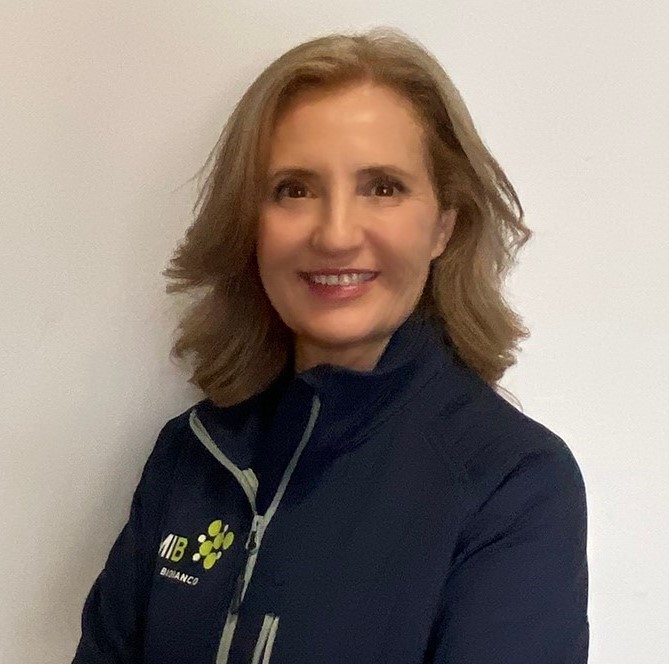
TERESA ESCÁMEZ
PhD in Biology, Master’s in Biobanks and Management of Biological Samples and Associated Data, and University Expert in Quality Management System Audits. Researcher in the field of neuroscience until 2013. Head of the Biobank Platform at the Pascual Parrilla Murcian Institute of Biosanitary Research since 2013. Member of the Steering Committee of the National Biobank Network (PT17). Representative of the National Node in the BBMRI-ERIC quality group from February 2022 to March 2024. Coordinator of the Biobank Hub in PT23 and Scientific Director of the National Node in BBMRI-ERIC since March 2024.
ELSI group
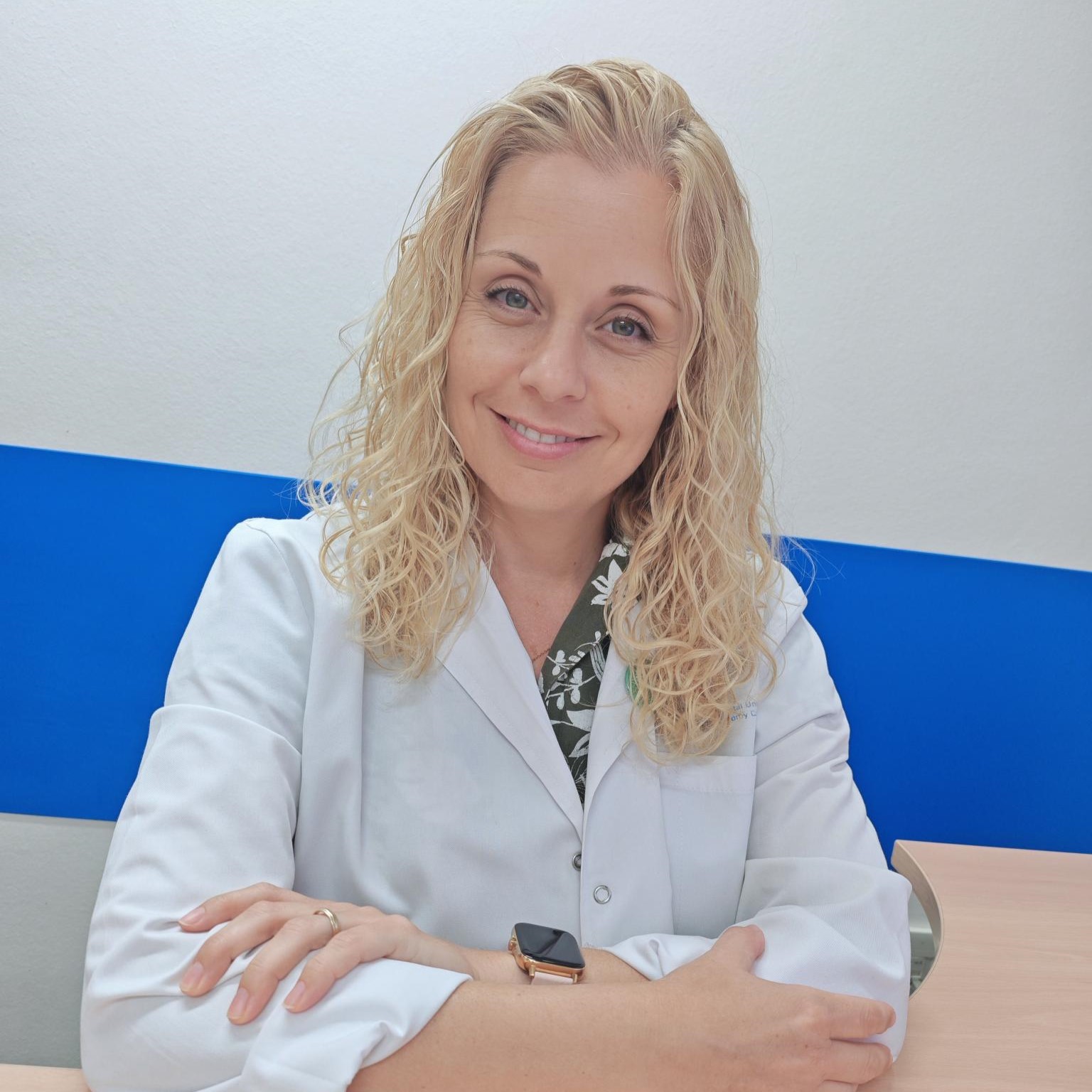
Sonia Camaño Páez
PhD in Biochemistry, Molecular Biology, and Biomedicine (2009). Master’s degree in Biobanks and the Use of Human Biological Samples in Biomedical Research (2013). Quality Manager since 2012 and Biobank Coordinator since September 2019. She has worked at the Biobank since its inception in 2010. From that moment, efforts were made to obtain ISO 9001 certification in the same year it opened. Gradually, different collections of samples and data on various pathologies of interest have been generated, always in line with the health strategy of the Carlos III Health Institute. She has participated in all Biobank funding calls since the beginning (RETICS, PT 13, PT17, PT20, PT23). Coordinator of the ELSI (Ethical, Legal, and Social Implications) Program and of the Ethical-Legal Advisory Committee of the Biobank Hub of the ISCIII Biomodels and Biobanks Platform (PT23). Co-head of the QUALITY MANAGEMENT WG Group of the Biobank Hub of the ISCIII Platform for Biomodels and Biobanks (PT23).
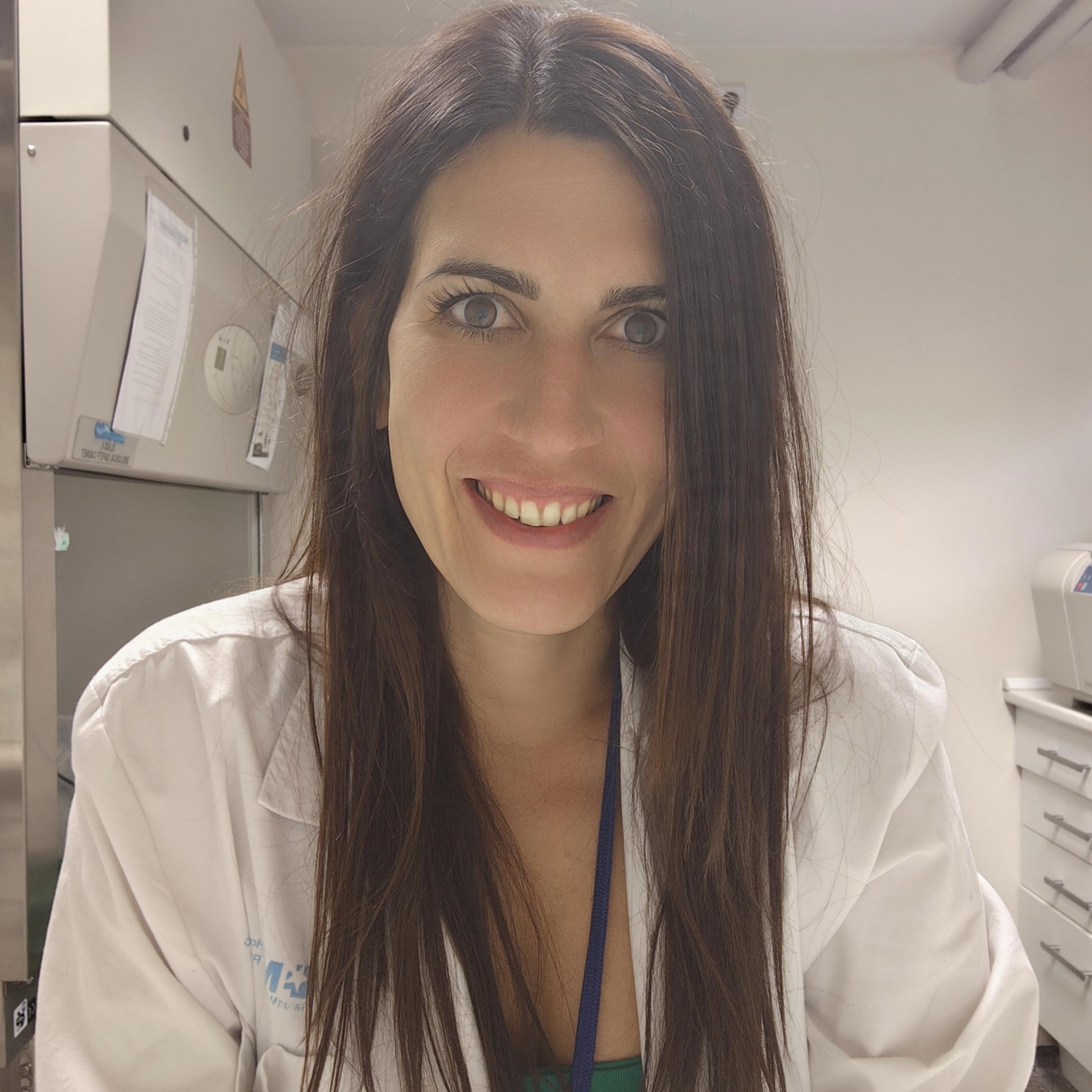
Bárbara Luna Sánchez
Advanced Vocational Training in Biobanking. Advanced Vocational Training in Primary Care and Cytology (2009). Bachelor’s Degree in Clinical Psychology (2016). Master’s Degree in Clinical and Health Psychology (2018). Head of Laboratory, Training, and Outreach. She has worked at the Biobank since its inception in 2010. From that moment, efforts were made to obtain ISO 9001 certification in the same year it opened. Gradually, different collections of samples and data on various pathologies of interest have been generated, always in line with the health strategy of the Carlos III Health Institute. She has participated in all Biobank funding calls since the beginning (RETIS, PT 13, PT17, PT20, PT23). Coordinator of the ELSI (Ethical, Legal, and Social Implications) Program and of the Ethical-Legal Advisory Committee of the Biobank Hub of the ISCIII Biomodels and Biobanks Platform (PT23). Secretary of the Equality Commission of FIbio-HRC (IRYCIS). Member of the Occupational Risk Prevention Commission of IRYCIS. Coordinator of the National Consortium of Glomerular Pathology Biobanks of GLOSEN (Virtual Biobank)..
BIOMODELS AND BIOBANKS DEVELOPMENT Group
HUMAN PLURIPOTENT STEM CELLS Group
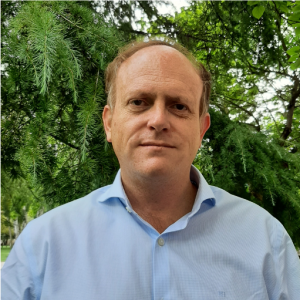
Roberto Bilbao
Director of the Basque Biobank
Within the biobank hub, he coordinates three working groups:
– Fees: standardizing the costs of samples provided by the biobanks.
– Catalog: developing a standardized offering of samples and collections.
– One-stop shop: implementing a unified system for managing service requests and distributing biological samples from the biobanks that make up the platform.
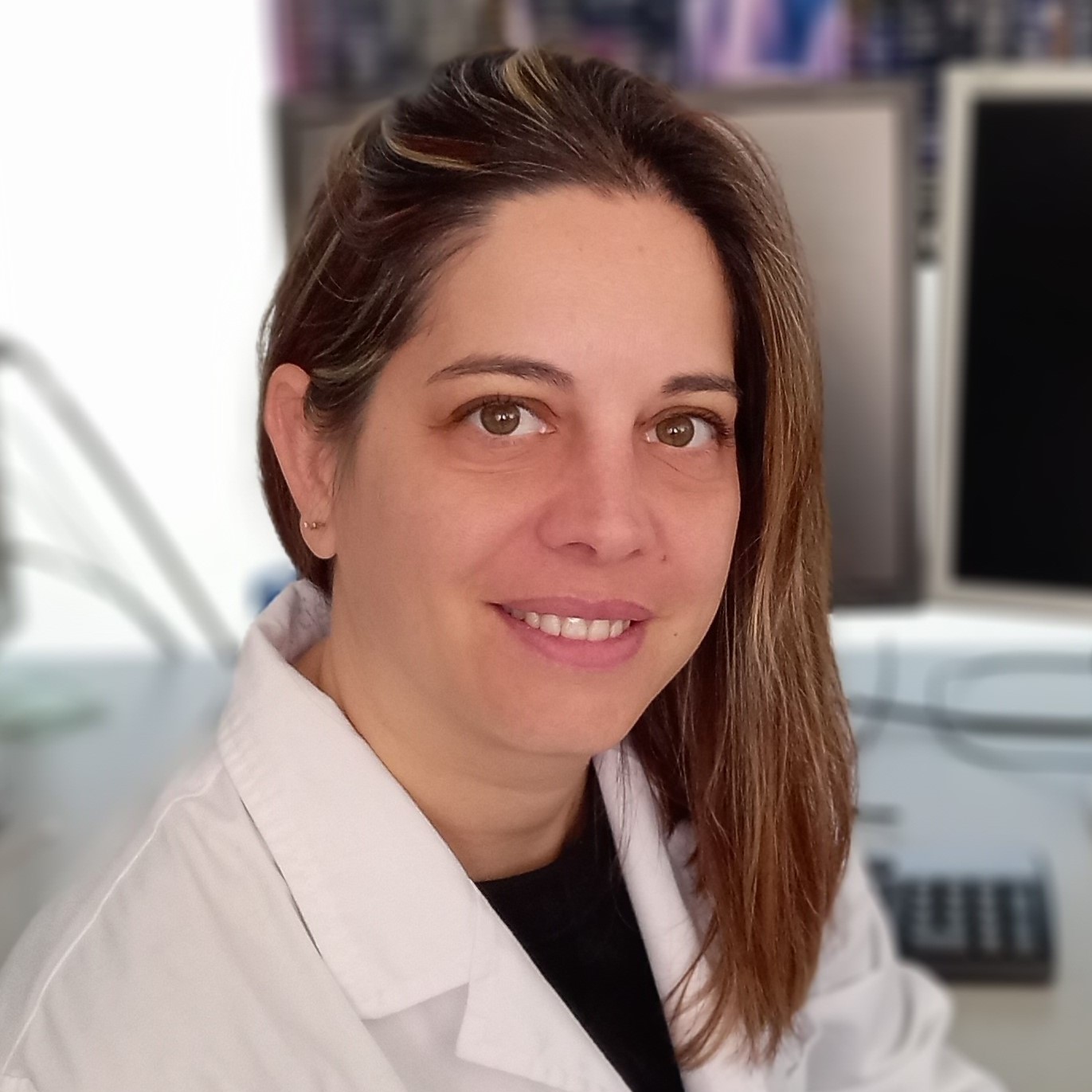
ROCÍO AGUILAR QUESADA
With a PhD in Biochemistry, a Master’s degree in Molecular and Cellular Immunology, and a Master’s degree in Biobanks and the use of human biological samples for biomedical research, Rocío Aguilar-Quesada has been the Technical Manager of the Biobank of the Andalusian Public Health System in Granada since 2009. Since joining the organization, her work has focused on the establishment and management of laboratories within the biobanking framework, complementing her training in process validation, quality control, and quality management system audits. She has also actively participated in forums on ethical, legal, and social issues (ELSI), receiving training in bioethics and data protection. She is an advisor to the European, Middle Eastern & African Society for Biopreservation and Biobanking (ESBB) and the regional ambassador for the EMEA region of ISBER (International Society for Biological and Environmental Repositories), having been awarded the ISBER 2024 Special Service Award for her role as co-chair of the ISBER 2023 Regional Meeting in Granada. She has contributed to the 5th edition of ISBER’s Best Practices and participates in various ESBB and ISBER Working Groups related to quality assurance, biospecimen science, and ELSI, with several publications resulting from these collaborations. Rocío Aguilar-Quesada has taught courses (also contributing to their organization), master’s programs (tutoring several students), and workshops on a variety of biobank operations, contributing to the development of guides and educational materials.
Quality group
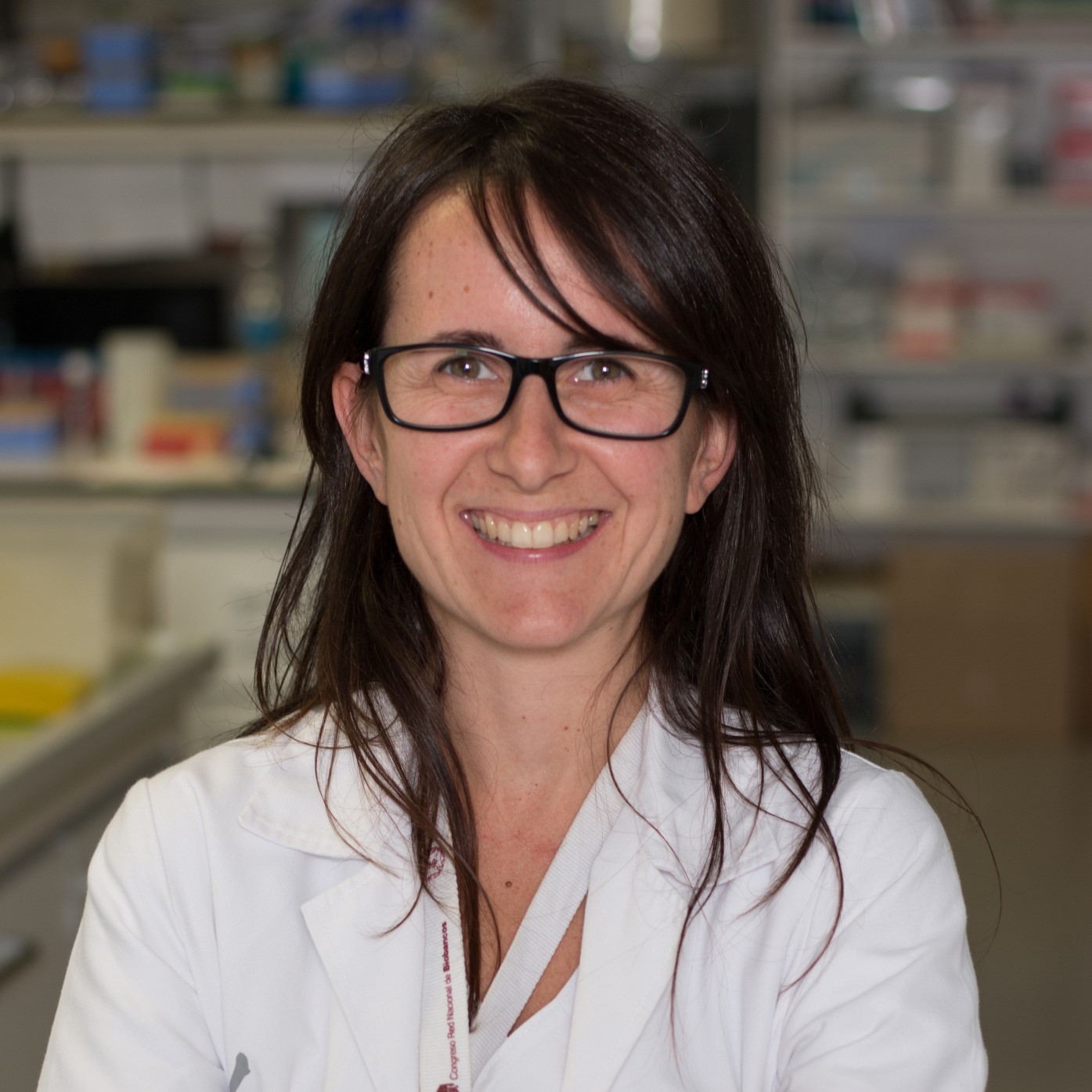
Maria Ruiz
Coordinator of the IRBLleida Biobank, member of the Biobanks and Biomodels Platform of the ISCIII (PT23/00032, Unit of the Biomedical Research Institute of Lleida, IRBLleida). PhD in Biochemistry and Molecular Biology, Master’s in Biobanks and Use of Human Biological Samples in Biomedical Research and expert in quality management systems.
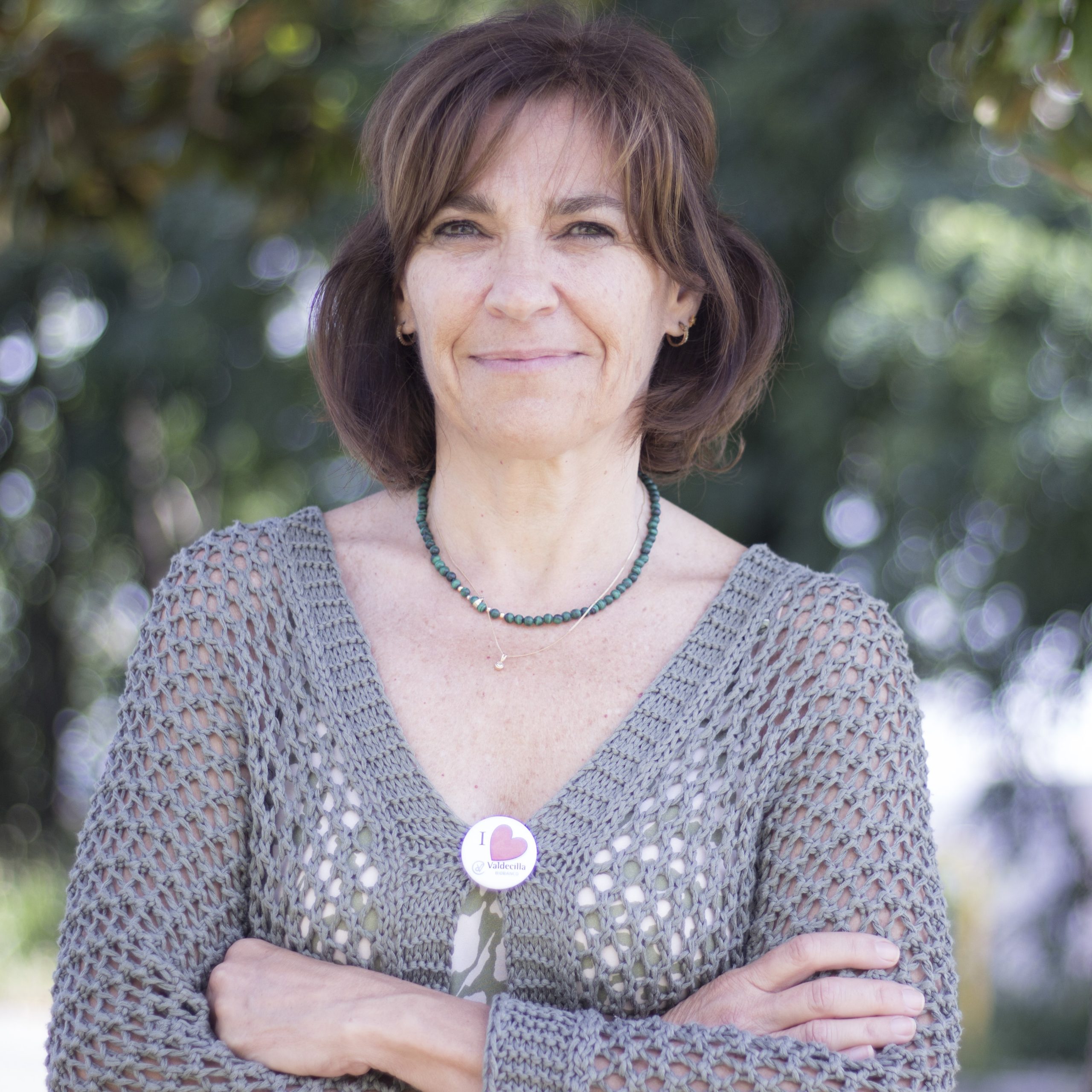
María José Marín Vidalled
She holds a degree in Pharmacy and Biochemistry from Juan A. Maza University (Mendoza, Argentina), which was validated in 2006 as equivalent to a Spanish degree in Pharmacy. She earned her PhD in Molecular Biology from the University of Cantabria (2008) and a Master’s degree in Management and Administration of Health and Social Services from the University of Cantabria (2016). Since 2009, she has been the Coordinator of Technological Support Services at IDIVAL. In 2011, she led the creation and implementation of the Valdecilla Biobank, and in 2021, she was appointed Scientific Director of the Valdecilla Biobank by the Board of Trustees of the IDIVAL Foundation. He has participated in the different calls for funding of biobanks of the ISCIII (RETIC, PT13, PT17, PT20 and PT23), being IP of node in the calls for Biobanks and Biomodels Platform of the ISCIII 2020 (PT20/00067) and currently in the 2023 call (PT23/00058).
sop subgroup
ISO 20387 subgroup
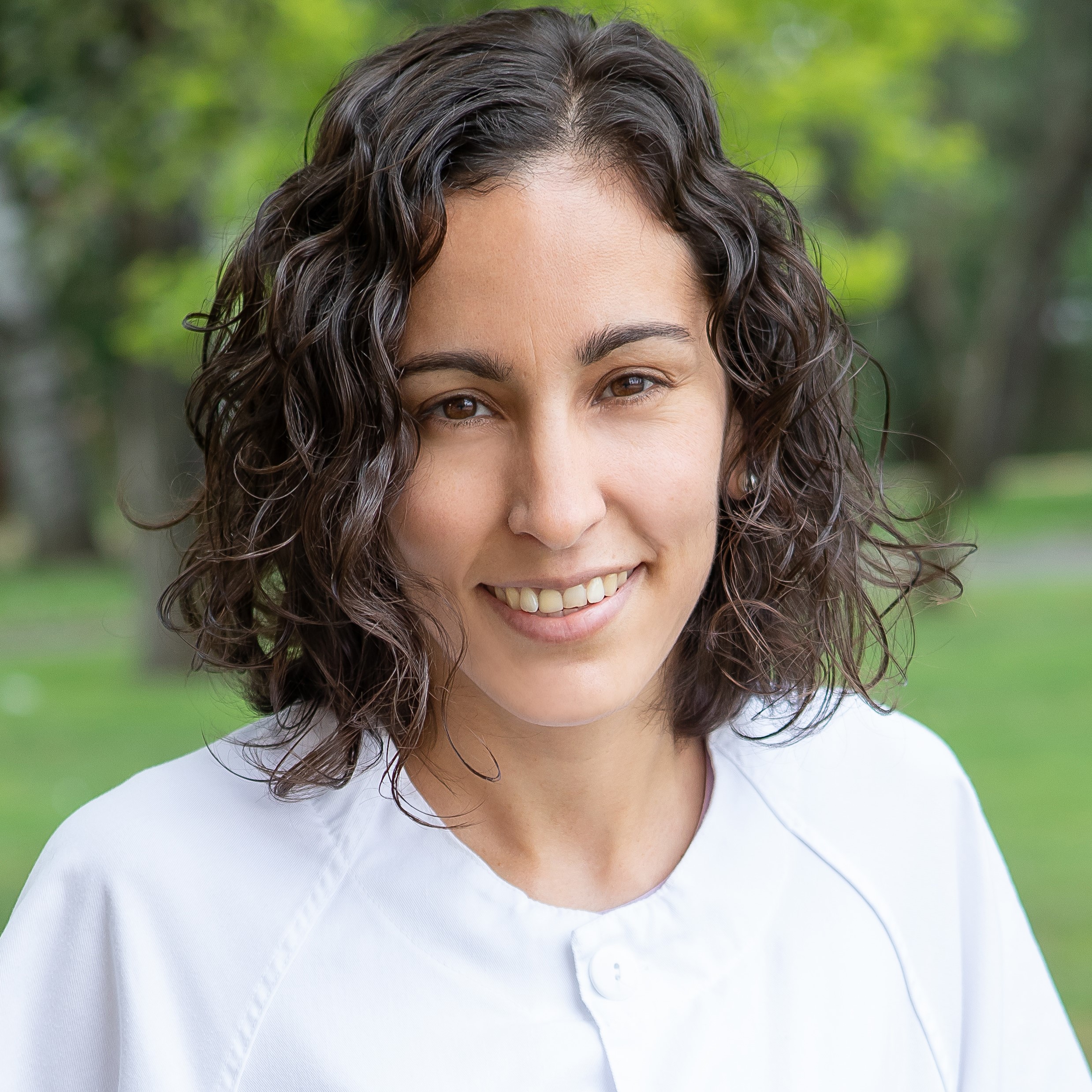
Irene Pociño
Research technician at the IRBLleida Biobank, a member unit of the ISCIII Biomodels and Biobanks Platform (PT23/00032). PhD in Health from the University of Lleida and Master’s in Biotechnology in Health Sciences. Coordinator of the SNTs working subgroup of the Quality Working Group of the Biobank Hub (QM WG).
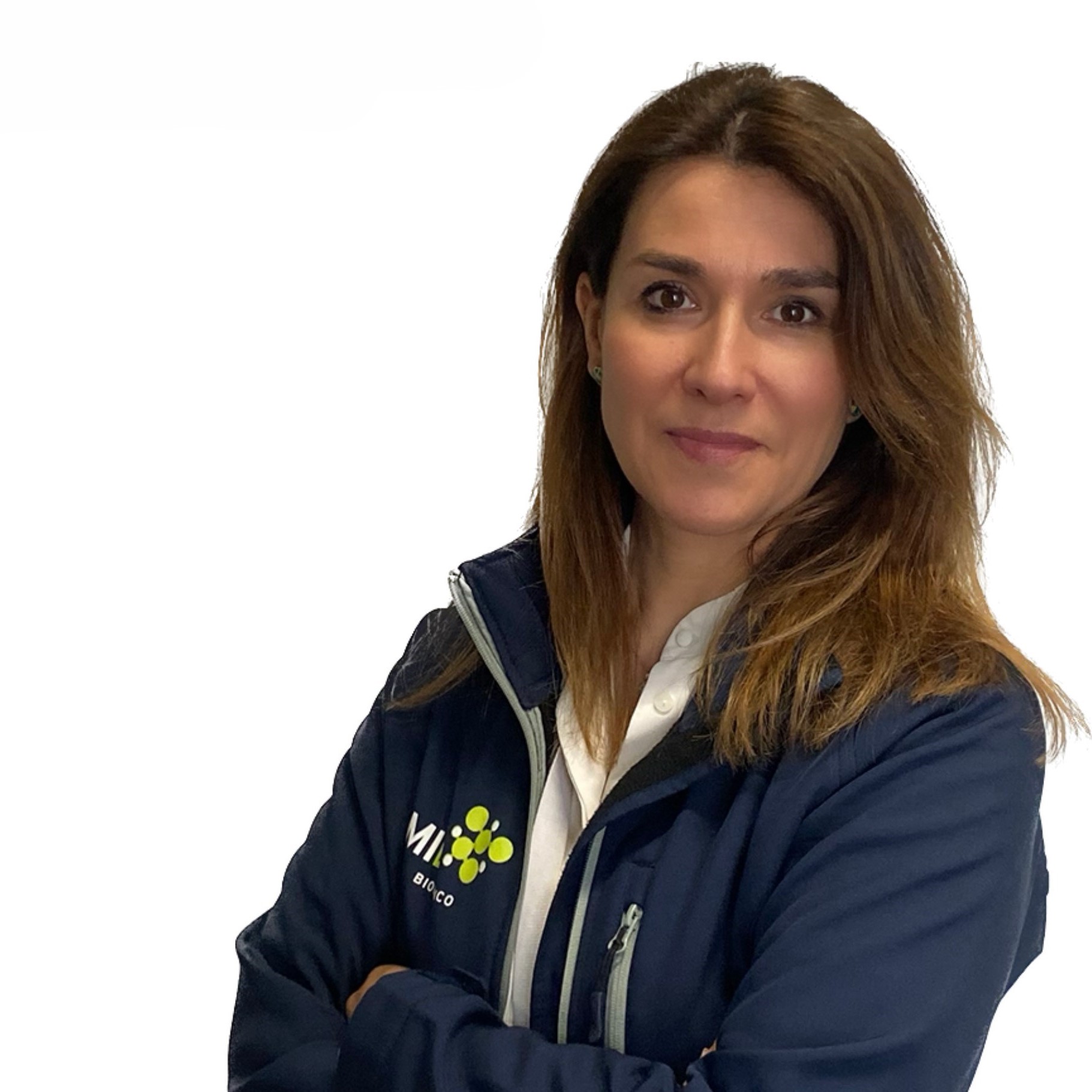
Esperanza García-Molina
Attached to the Coordination and Quality Manager of the IMIB Biobank Platform since 2016, member of the ISCIII Biomodels and Biomodels Platform (PT23/00026), a unit of the Murcian Institute for Biomedical Research (IMIB). PhD from the University of Murcia and Master’s degree in “Biobanks and Management of Biological Resources for Biomedical Research.” Bachelor’s degree in Biochemistry from the University of Murcia and PhD from the University of Murcia. For ten years I worked as a researcher conducting genetic studies of hereditary heart diseases (2005-2015). Associate Professor at the University of Murcia in the Department of Genetics and Microbiology (2016-2018) and Associate Professor at the Catholic University of San Antonio of Murcia (2015).
Sonia Camaño Páez
PhD in Biochemistry, Molecular Biology, and Biomedicine (2009). Master’s degree in Biobanks and the Use of Human Biological Samples in Biomedical Research (2013). Quality Manager since 2012 and Biobank Coordinator since September 2019. She has worked at the Biobank since its inception in 2010. From that moment, efforts were made to obtain ISO 9001 certification in the same year it opened. Gradually, different collections of samples and data on various pathologies of interest have been generated, always in line with the health strategy of the Carlos III Health Institute. She has participated in all Biobank funding calls since the beginning (RETICS, PT 13, PT17, PT20, PT23). Coordinator of the ELSI (Ethical, Legal, and Social Implications) Program and of the Ethical-Legal Advisory Committee of the Biobank Hub of the ISCIII Biomodels and Biobanks Platform (PT23). Co-head of the QUALITY MANAGEMENT WG Group of the Biobank Hub of the ISCIII Platform for Biomodels and Biobanks (PT23).
National Node Directorate
TERESA ESCAMEZ
Scientific Director of the National Node at BBMRI-ERIC since March 2024 and Coordinator of the Biobank Hub at PT23.
PhD in Biology, Master’s in Biobanks and Management of Biological Samples and Associated Data, and University Expert in Quality Management System Audits. Researcher in the field of neuroscience until 2013. Head of the Biobank Platform at the Pascual Parrilla Institute of Biomedical Research in Murcia since 2013. Member of the Steering Committee of the National Biobank Network (PT17), Representative of the National Node in the BBMRI-ERIC Quality Group from February 2022 to March 2024.
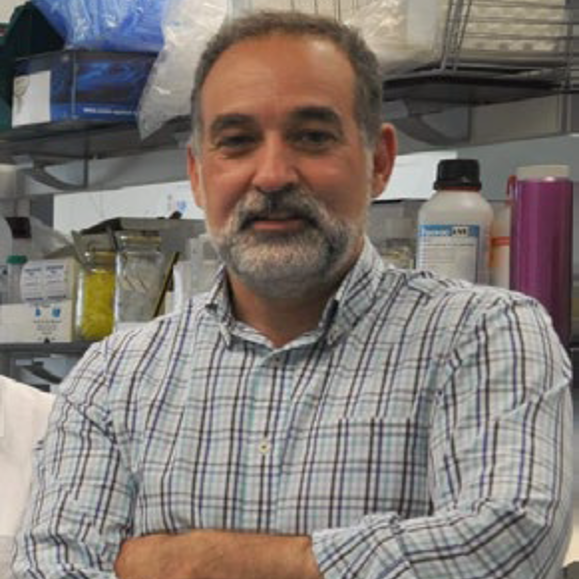
JACOBO MARTINEZ
Alternate of the National Node in BBMRI-ERIC
He holds a degree in Chemical Sciences from the University of Valencia (1996), a Master’s degree in Biochemistry and Clinical Biopathology from the University of Valencia (1996), a Master’s degree in Biotechnology from the ALITER International Business School in Madrid (2003), and a Master’s degree in Biobanks and the use of human biological samples in biomedical research from the Catholic University of Valencia (2012). His professional career has focused on the management of scientific and technical support services for biomedical research. Since 2009, he has been the scientific director of the IBSP-CV Biobank and coordinator of the Valencian Biobank Network. In 2013, he assumed the directorship of the Platforms and Services Area of the FISABIO Foundation, where he has participated in the implementation of the Foundation’s scientific and technical services. During 2015 and 2016, he was Managing Director of the FISABIO Foundation. He has been a member of the Executive Committee of the National Biobank Network (2010–2013) and the Steering Committee of the Biobank Network Platform (2014–2017; 2018–2020); and an advisor to the National Biobank of Mexico (National Laboratory Network) of CONACYT (2014–2019). Currently, he serves as Ethics Advisor for the project “Reconnecting Transmission to Global Tuberculosis Control by Mapping Pathogen Transmission Events to Host Infection Status” (2021–2025), funded by the European Research Council, and has been a member of the CEI-ISCIII since February 2024.
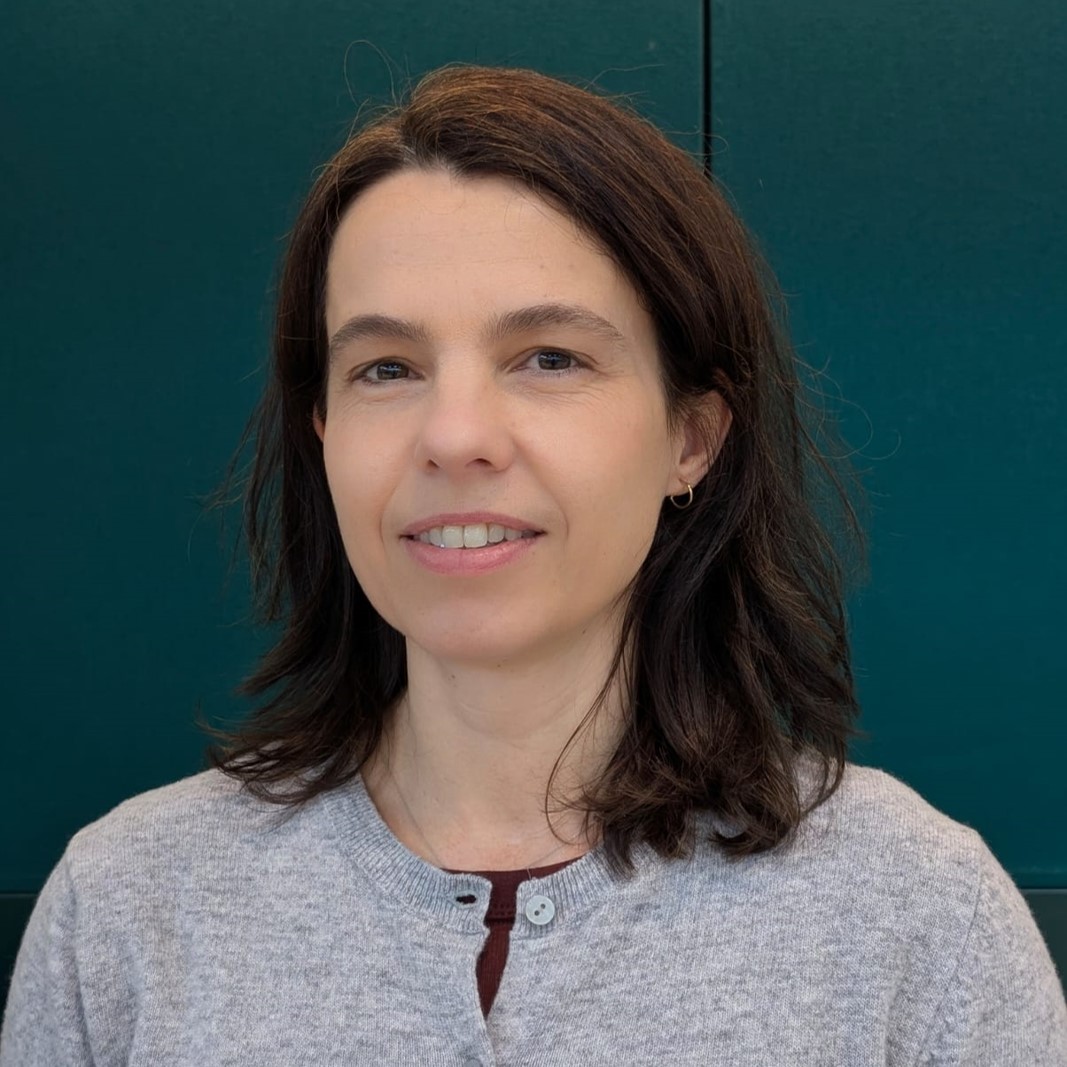
ELENA GARRETA
Since December 2024, she has been the Coordinator of the ISCIII Biomodels and Biobanks Platform at PT23 and Alternate of the National Node at BBMRI-ERIC.
She holds a PhD in Chemistry from Ramon Llull University-Sarrià Chemical Institute (IQS), where she specialized in biomaterials design and tissue engineering. Subsequently, she completed several postdoctoral fellowships, participating in pioneering studies on the generation of human induced pluripotent stem cells (iPSCs) and the development of differentiation strategies into different cell lineages. Since 2015, she has been a member of the Institute for Bioengineering of Catalonia (IBEC), where she is a senior researcher in the Pluripotency for Organ Regeneration group. She is also an associate professor at the University of Barcelona. Since August 2024, Dr. Garreta has served as Acting Junior Group Leader of the Pluripotency for Organ Regeneration group at IBEC. The group’s research focuses on the development of human organoids combined with bioengineering strategies for disease modeling and applications in precision medicine. Dr. Garreta has contributed to pioneering studies on pluripotent stem cells and the development of human organoids, with publications in high-impact journals such as Nature Biotechnology, Nature Materials, Materials Today, Cell, and Cell Metabolism, among others.
Negotiator
ELSI
QM
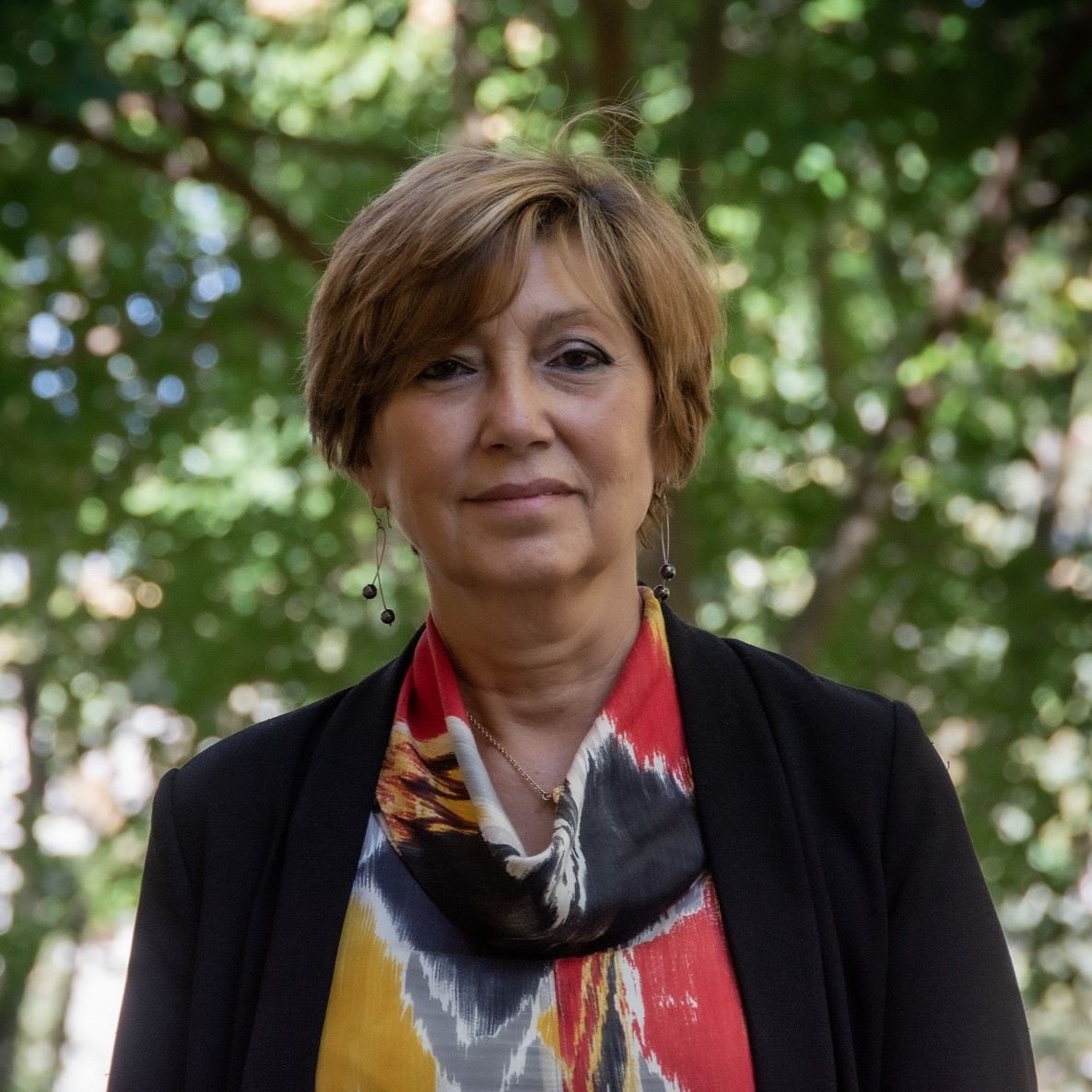
ROSARIO PERONA
ROCÍO AGUILAR
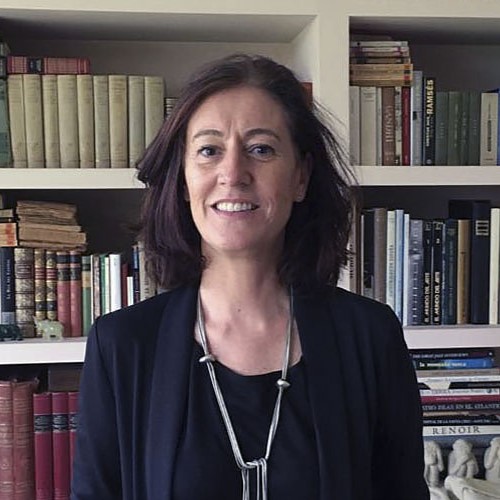
PILAR NICOLAS
MARIA RUÍZ
IT
COMMUNICATIONS & OUTREACH
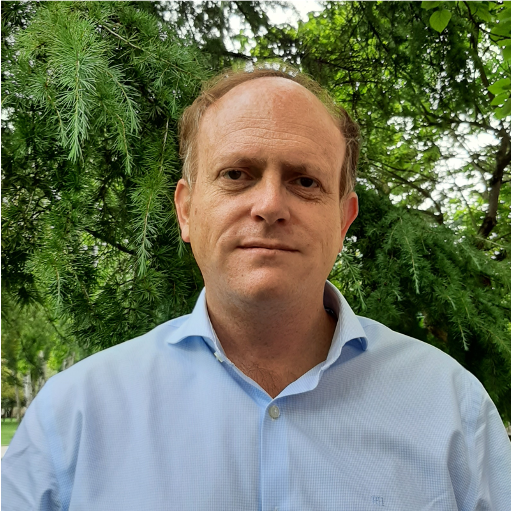
ROBERTO BILBAO
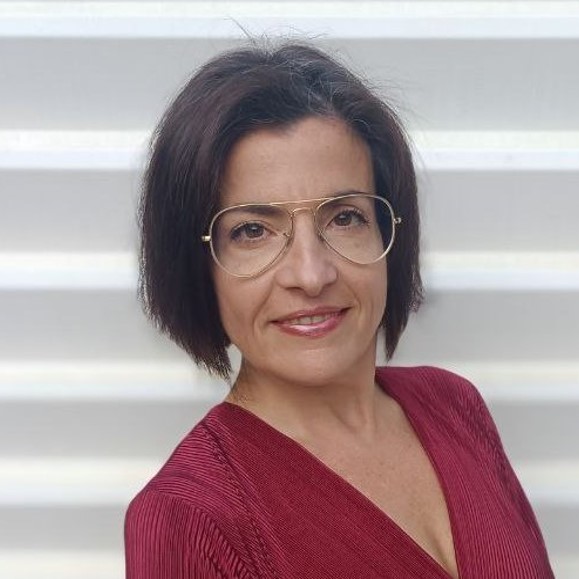
BELÉN MOLLÁ
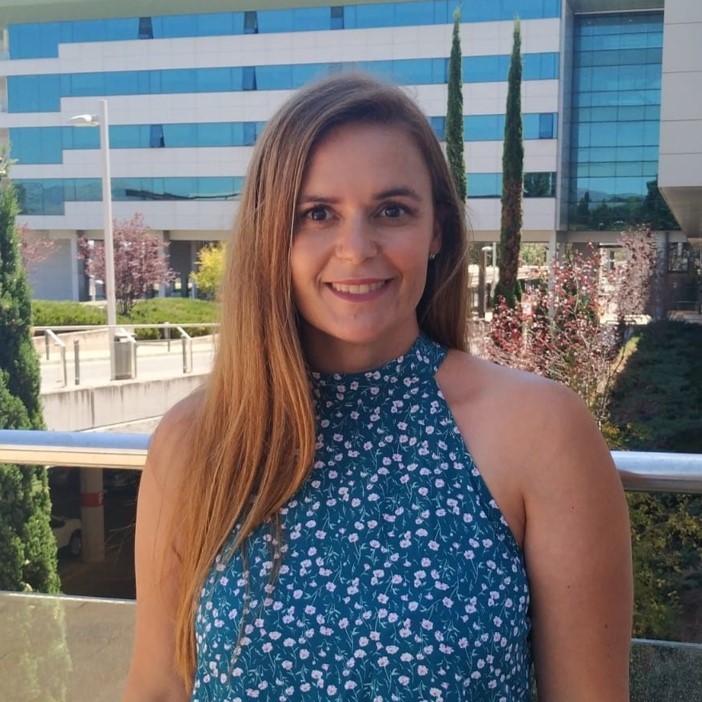
AURORA GARCÍA

EVA PÉREZ
CONSULTANCY